Hanwen Guo, Xianhua Wei
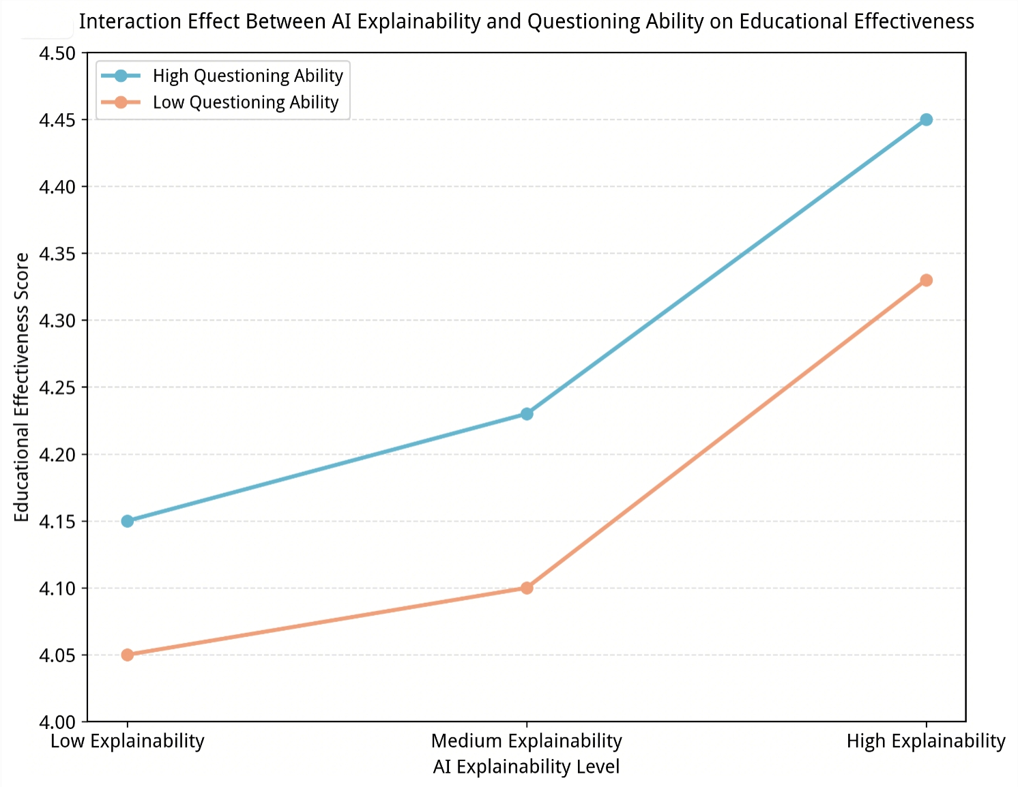
Against the backdrop of AI reshaping core educational mechanisms, AI has advanced personalized instruction while revealing inherent limitations in situational awareness and value trade-offs. Existing research has focused heavily on ......
PDF
Ji-Eun Kim, Jin-Ju Kong, Hyun-Min Cho, Ji-Young Heo, Jun-Yeong Kim, Min-su Ha
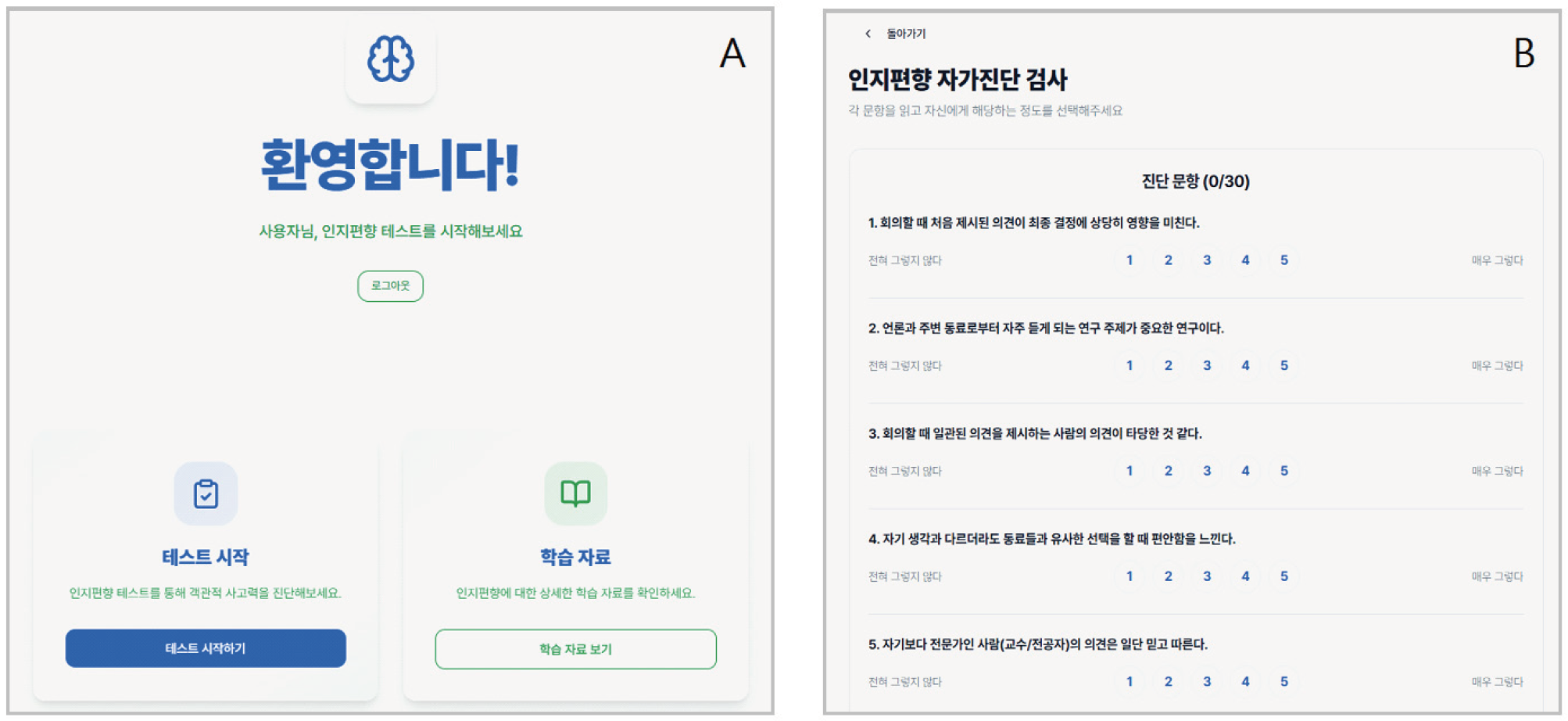
In contemporary science and engineering, where collaboration has become the norm, researchers’ cognitive biases may hinder rational decision-making. This study aimed to develop a web-based learning program to support awareness of ......
Hwang-Gi Lee, Sungki Kim, Seoung-Hey Paik
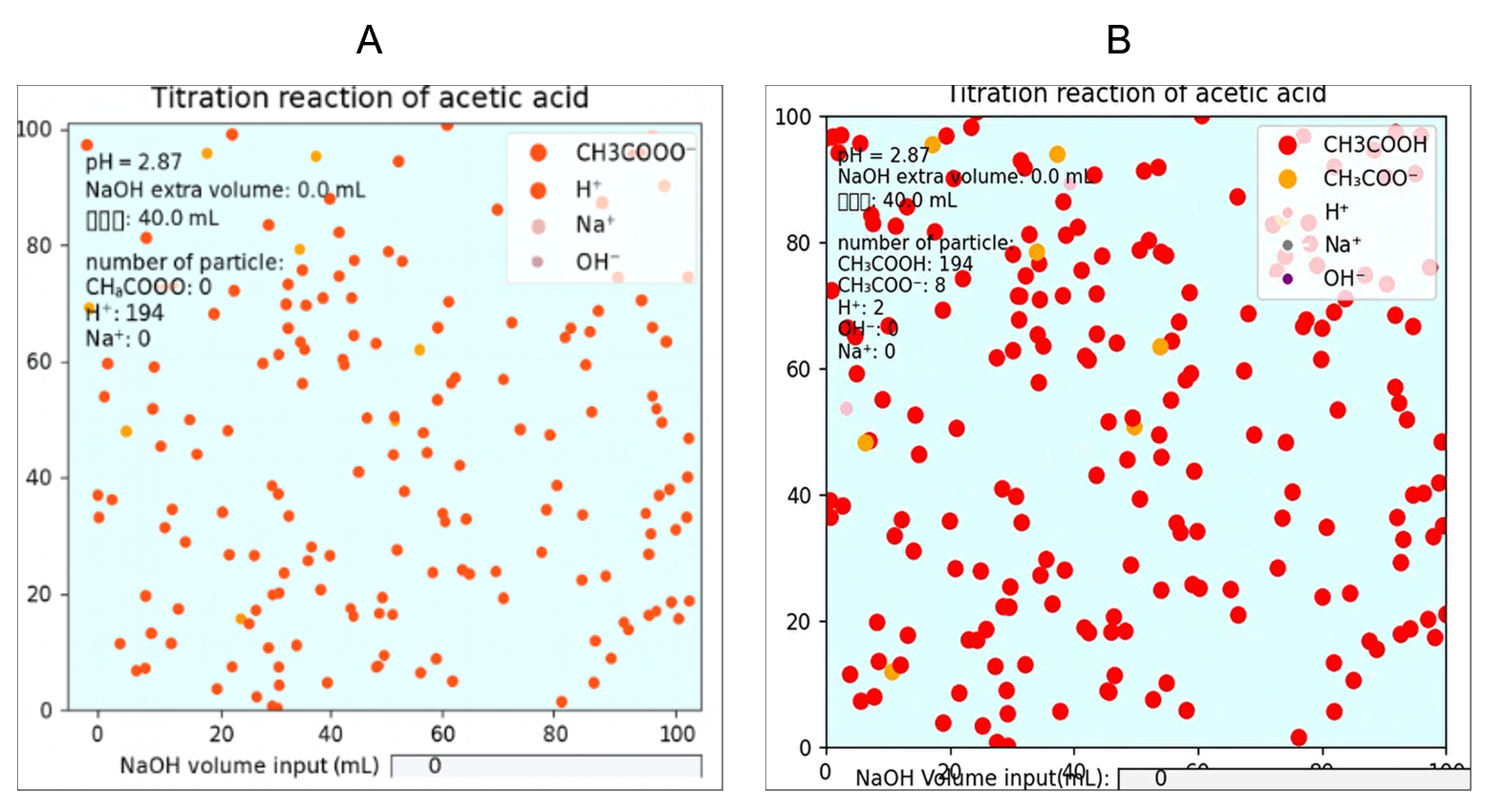
This study explored the potential of generative artificial intelligence–based simulation construction activities to facilitate changes in students’ academic achievement and STEAM competencies in chemistry. The study was conducted with ......
Suji Lee
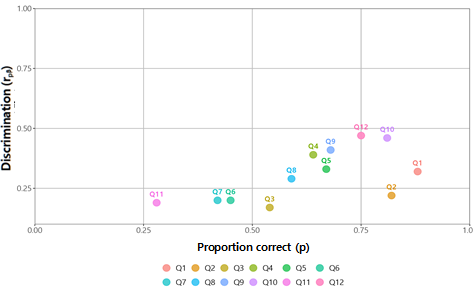
This study develops and validates a Human-in-the-Loop (HITL) model for generative AI-based Automatic Item Generation (AIG) of College Scholastic Ability Test (CSAT) Korean reading items. As a high-stakes assessment of higher-order thinking, ......
Min-Seok Choi, Dong Ju Lee
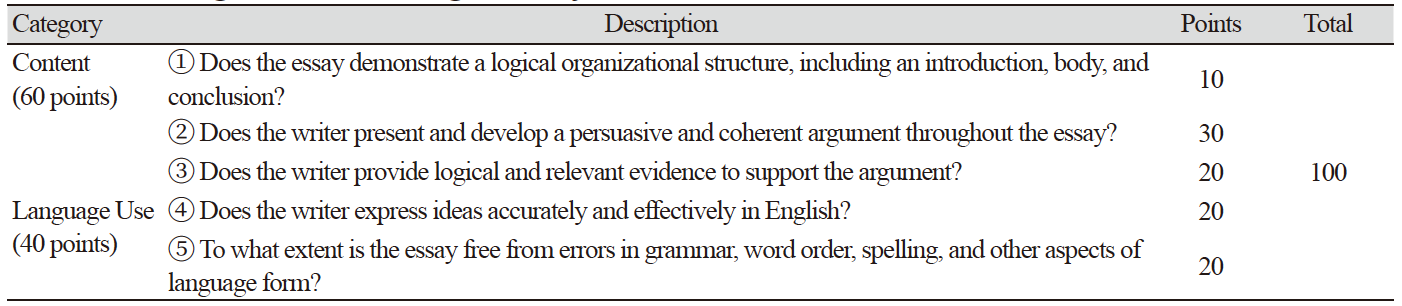
This study investigated the relationship between the linguistic features of English essays and the holistic evaluations conducted by non-native Korean teachers of English, while also examining the applicability of automated essay scoring. ......
Jae-Hee Lee, Su-Min Lee, Bo-Mi Kim, Yong-Ju Kwon
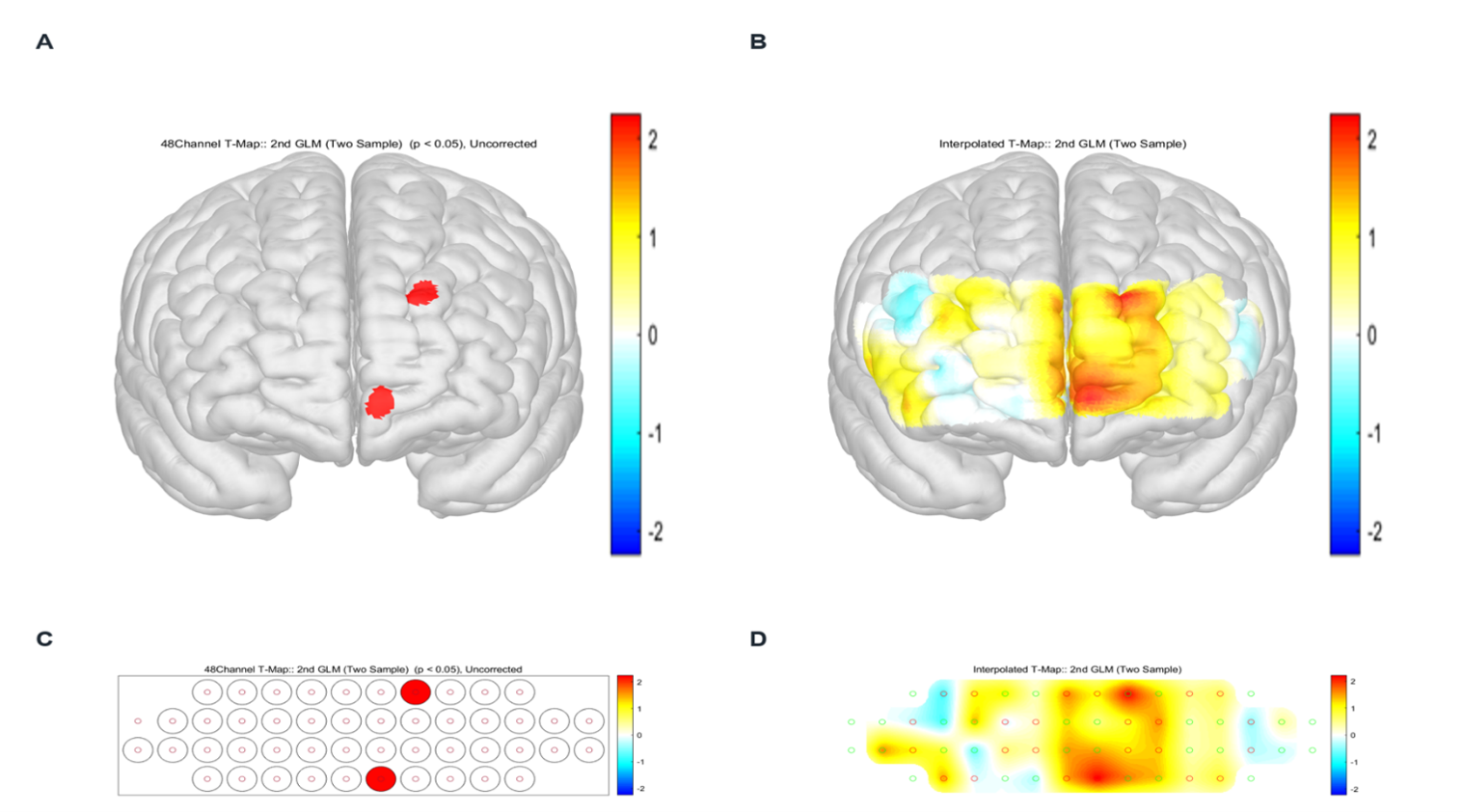
This study aimed to neuroscientifically examine whether brain activity measured by functional near-infrared spectroscopy (fNIRS) during high-concentration fine dust education predicts actual mask-wearing behavior more accurately than self-reported ......